
Elemental Summer
Earth and water and our connections to both, plus considering new workshop offerings - what’s interesting to you?

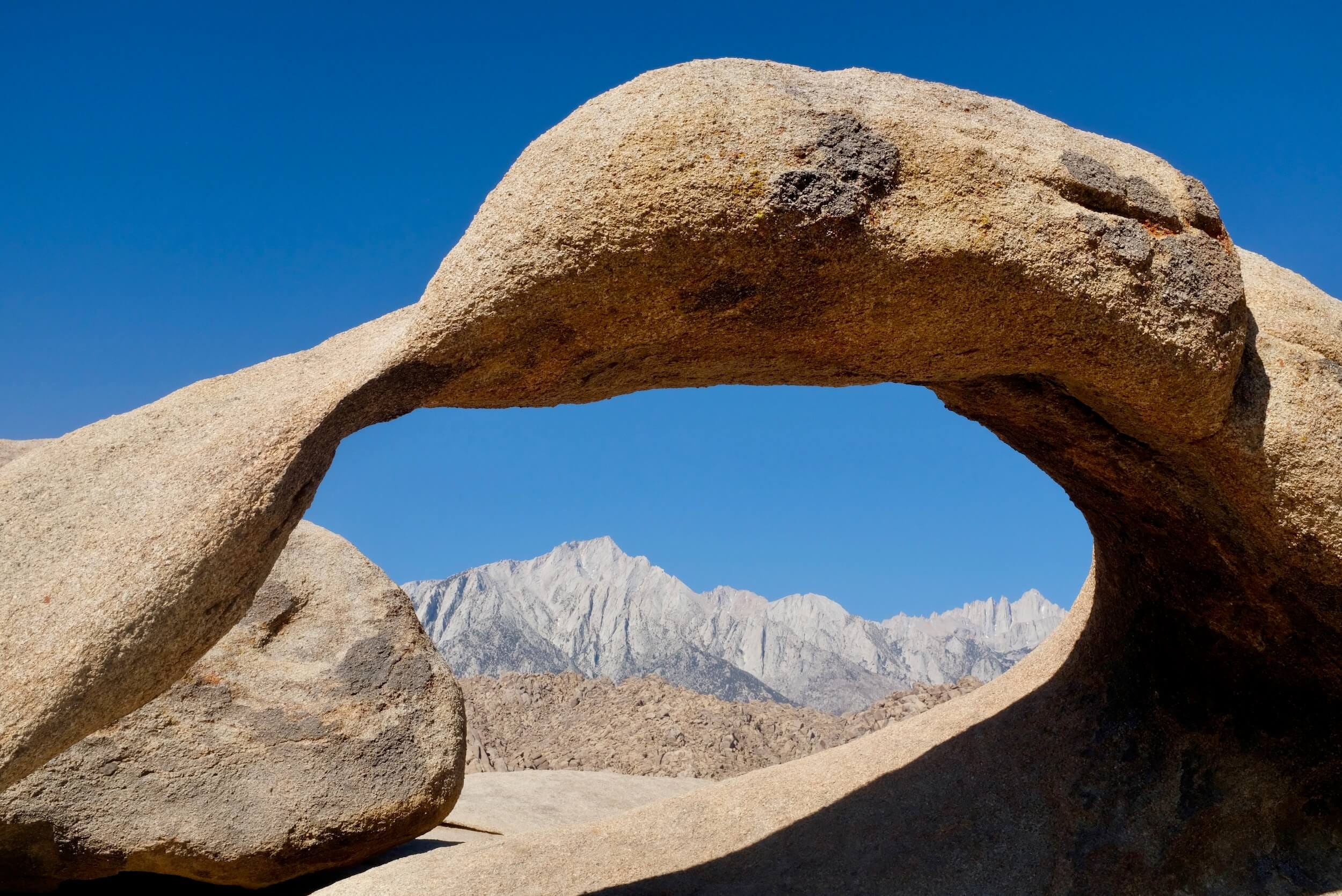
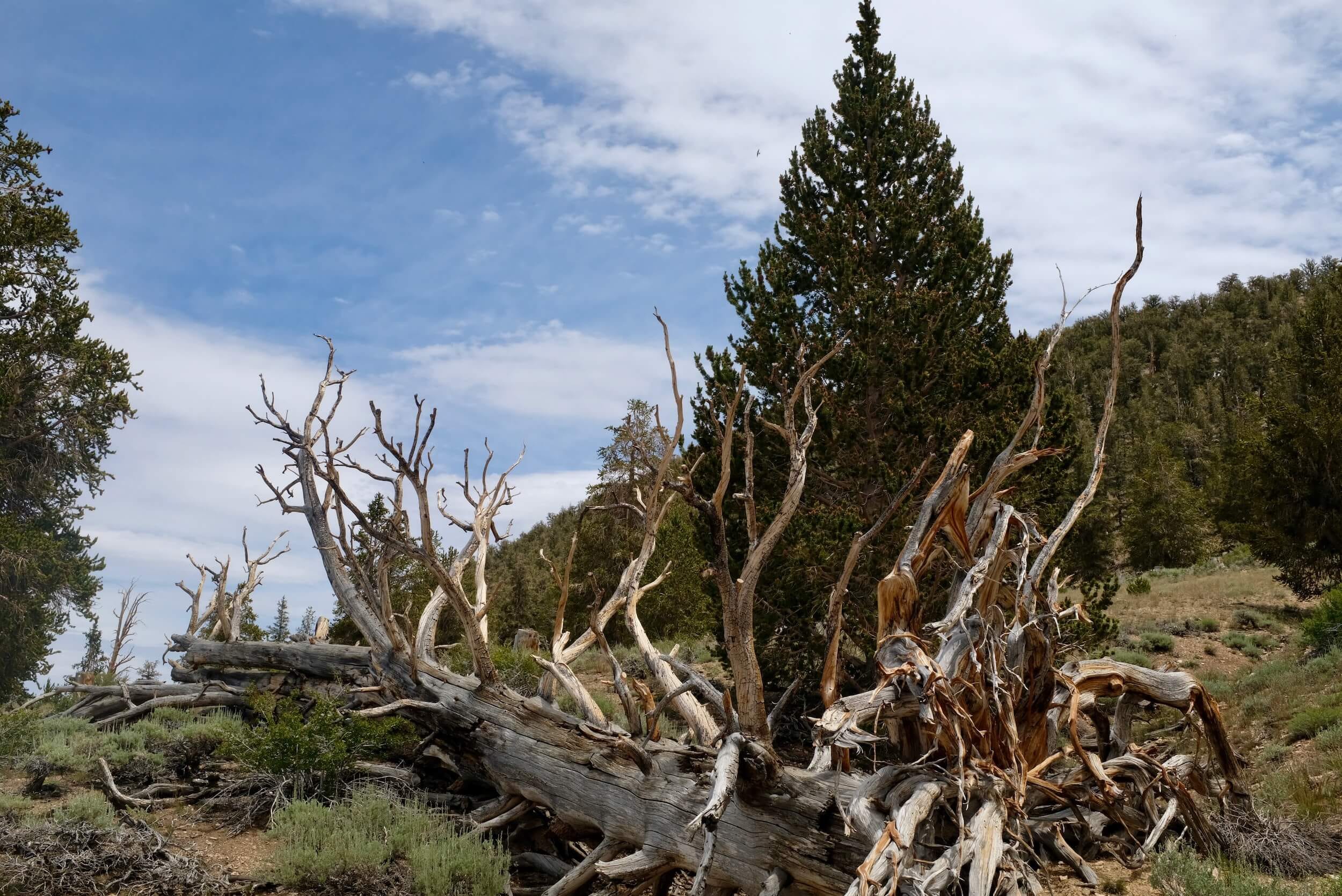
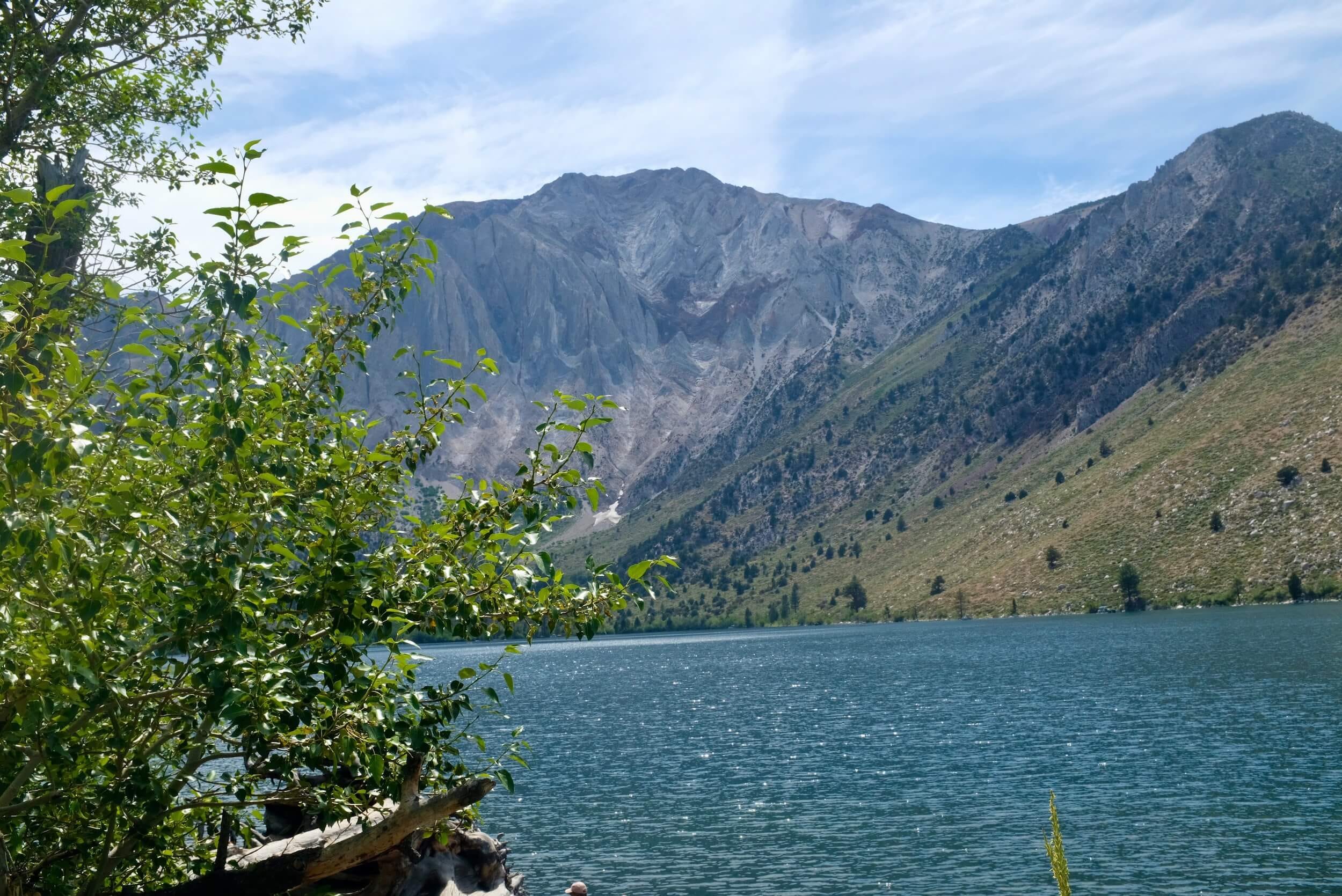
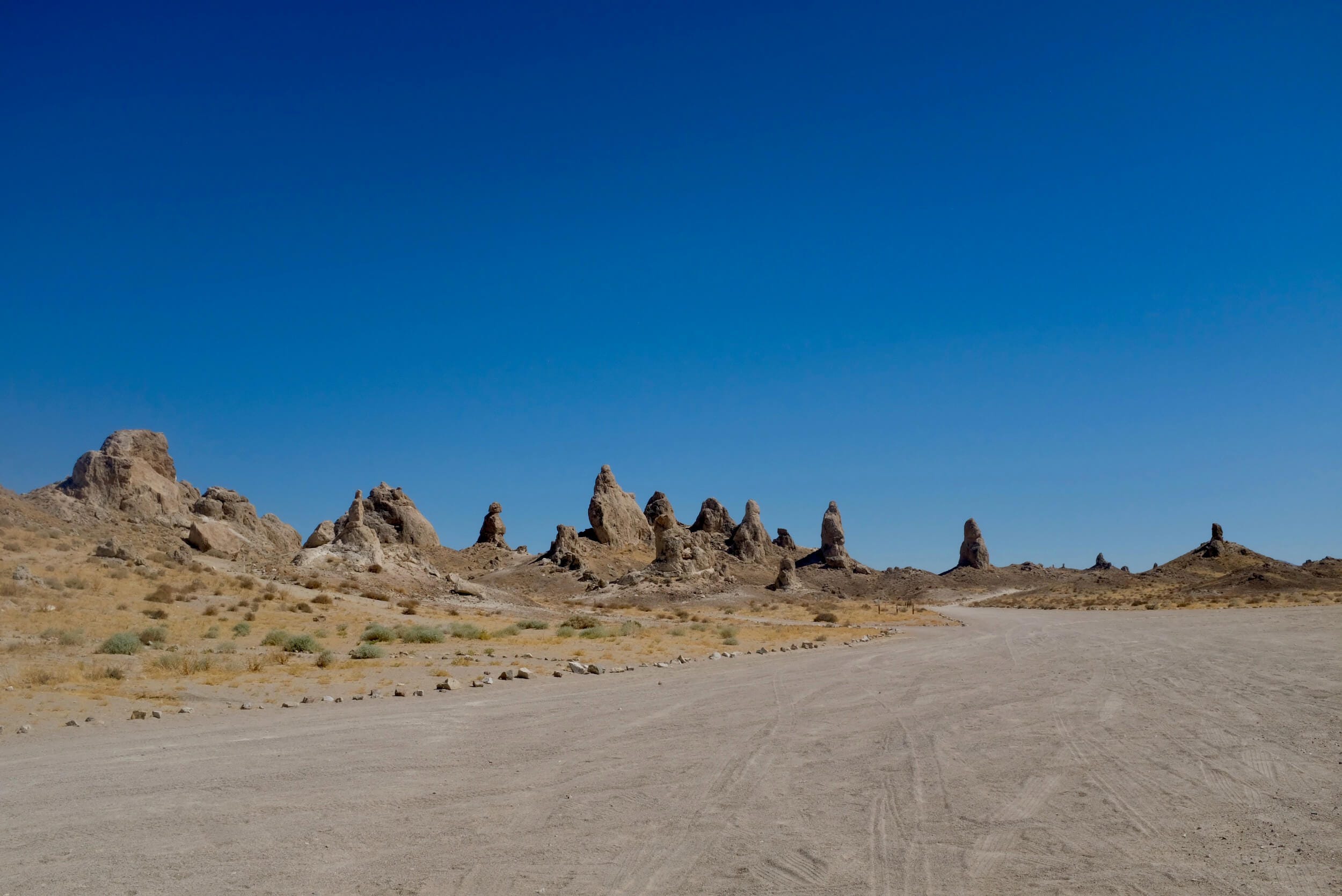
It’s summer and I’m thinking about water, earth, air, and time outside. This year I made a goal to intentionally spend time in nature and appreciate the place where I live. In early July, my friend Sharon and I took a trip up the 395, a state highway that runs through the Owens Valley and the east side of the Sierras. There we peered up at the highest peak in the lower 48, Mount Whitney (no relation, hah hah) and hiked to a natural arch through otherworldly rocks in the Alabama Hills. We drove down a treacherous desert road with wheel-eating ruts to the Trona Pinnacles, which arise like spires from a dry lake bed. We marveled at the clear waters of a high-elevation lake, with rocky peaks towering above us. We soaked in the natural hot spring water at a motel and campsite in a grove of cottonwoods 30 minutes from the nearest town, and walked among trees thousands of years old in the Bristlecone forest, high up in the mountains.
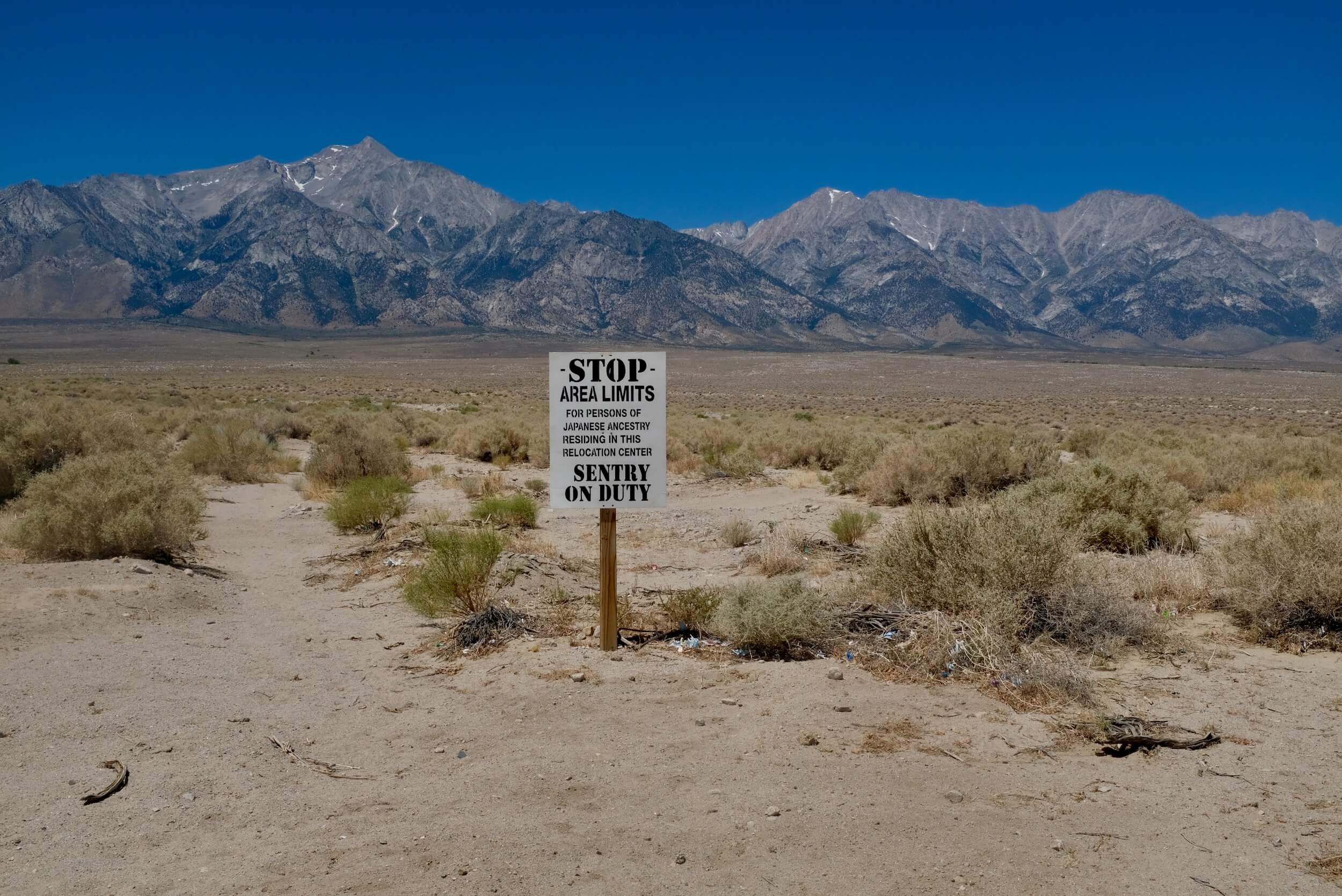
We stopped at Manzanar where over 11,000 Japanese Americans were imprisoned during WWII. While I knew the history, I was not prepared for the impact of being in the presence of so many souls and to be witness to this heavy, bleak place, especially at a time when we see these hatreds and prejudices take new/old forms.
While the site tells of the injustice, violence, and pain experienced by detainees, it also speaks loudly to the survival, resilience, and fight for justice by the Japanese American community there. I wept the whole visit. Paper cranes blew in the wind and dust. We took a respite from the heat in a garden designed by a landscape architect detained there and built by many there. Faulkner rattled on my head, “The past is never dead. It’s not even past.”
The elements have shaped this landscape over the eons. Faults push the mountains up, while wind and rain sculpt the rocks. Cinder cones and spewed lava rocks line the floor of the Owens Valley. The same faults enable the natural hot spring water to rise to the surface. And the stalwart Bristlecone pines stand witness to years that flow past like weather systems.
Spending time in this place added to my feeling of reverence for the earth, the wild, natural places that we have the privilege to pass through. Nature at this scale demands humility, though when you slow down and look the natural world at any scale is humbling. All of these places we visited were public lands, whether National Forest or National Monument or Bureau of Land Management Land. I was amazed at the accessibility of such wonders and beauty. And as cheesy as it sounds, seeing people from all walks of life out enjoying these places was a reminder of the power of public land. While there’s still much work to be done on accessibility, witnessing and being humbled by the power of nature isn’t just available to a select few.
Yet the prevailing winds in our culture are blowing back towards extraction for the sake of endless growth, the feeling that earth exists for us alone to use and use up, and the consequences that come from that. The Owens Valley gets about 5 inches of rain a year and collects water from snowmelt in the Sierras. Owens Lake and surrounding waterways have been famously drained by William Mulholland to feed Los Angeles’ need for water. We spotted Department of Water and Power trucks frequently in the area. Toxic dust from the dry lake bed is kicked up by the area’s constant winds. Native residents of the area have long been fighting this extraction. Looking at the valley, the folly of the venture, taking water from one of the driest parts of California, changing the landscape, and the way of life of the people who have been there since time immemorial, to feed insatiable growth, becomes clear.
This story is in the past. While we were on our trip the pipeline was approved for the Cadiz water project, which plans to suck water from an aquifer under the Mojave Desert. Activists, tribal leadership, and community members have been fighting Cadiz for years. Just after we passed through on the 395 the Rock Fire erupted, fanned by hot temperatures and high winds, ballooning to nearly 12,000 acres and shutting down the highway for a time. The presidential administration announced a 90% reduction of the Bears Ears and Escalante Grand Staircase National Monuments in Utah without consulting any of the five tribes who co-manage these lands. An Australian mining company has staked claims to a mine just outside of Joshua Tree National Park near Twentynine Palms. Being in such majestic places reminded me we need to keep fighting against this extractive, shortsighted approach and protect water, lands, and the history they contain for all forms of life.
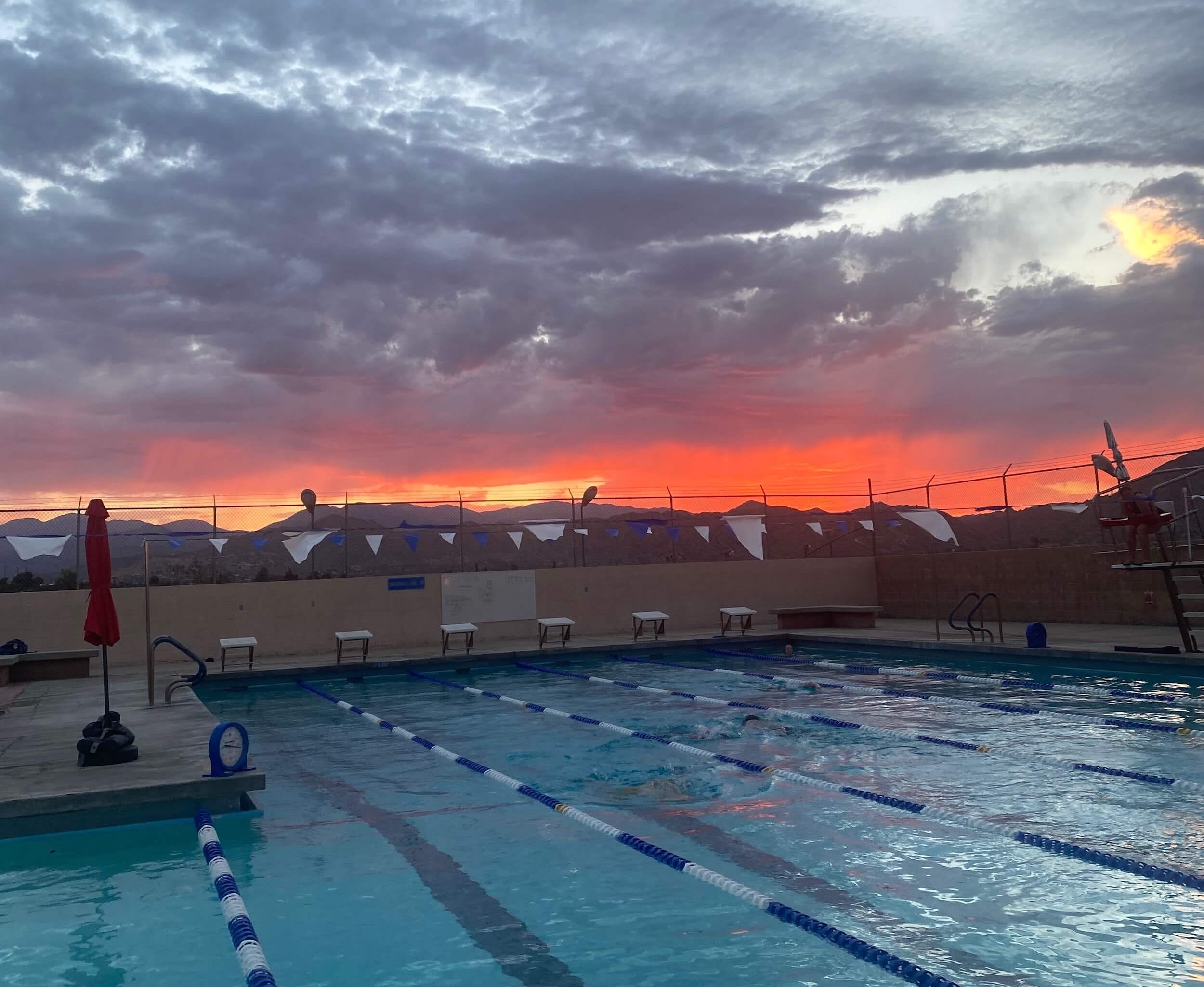
Water is the element of summer. Fortunately, the pool is open. For the past month, I’ve been swimming several evenings a week, doing laps back and forth as the sky turns golden, the clouds are tinged with pink, and the sun sinks behind San Gorgonio.
Whenever I swim, I feel the metaphors between swimming and writing pulling at me. For the first fifteen minutes my brain revolts. It tries to throw every excuse at me to stop. Swimming is boring. It’s too hard. Actually, it’s too easy. My fingers are already wrinkled and waterlogged. Maybe I’ll just do twenty minutes and call it a day. I’ve been doing this all month and haven’t lost and weight, gotten stronger, or more fit, what’s the point!
But then I keep going, keep pulling myself through the water in a slow crawl, taking breaks to do the breast stroke or putter down the lane with a kickboard. After that initial 15 minutes I ease into it. The mental chatter quiets, the inner critic goes silent, my brain clears and I swim without thinking about it or thinking about anything at all. It doesn’t happen every time, but when it does, I’m grateful for simple, weightless movement.
I go through similar states of mind when settling into writing. This year, admittedly, I’m finding it very difficult to find that flow state. My focus for the year is “magic through consistency.” While I’ve been writing regularly for the Desert Trumpet, the Coachella Valley Independent, and even monthly for this newsletter, but I’m not finding time to consistently sit down with the big projects I want to move forward. My book of “desert essays,” a translation project, and a new zine that I hope to finish for a reading and book fair this fall are all eyeing me from various google docs, waiting.
The pool has been extra crowded in the evenings this summer. Members of the high school swim team have been coming for workouts and filling the pool with boisterous splashing. On the rare nights I get my own lane after the majority of people leave I finish my swim with a lap or two of the “elementary backstroke.” This is really just floating on my back and pushing myself slightly forward so I don’t sink. I look up at the sky and let the water hold me. This state of complete ease feels like a reward. But then I wonder if it always has to feel earned (like at the end of a workout) or if I can just let it be? I want to find ease in my own creativity, in letting myself be carried by the currents of my projects, but it’s hard to get past that initial brainthrashing and focus down into the work.
In the flurry of trying to stay afloat with work and life and endless maintenance of both, I realized I miss teaching. I love the structured outline of a syllabus, the scaffolding of knowledge, facilitating discussions, and sharing something I love with students who want to learn it. I especially miss teaching in situations like workshops where participants choose to be there and are excited to learn something they can put into practice. Teaching can also bring on a flow state, where you click into the same frequency as your students and the time just goes. In fact, it was in museum educator training that I first learned about Csikszentmihalyi’s concept of the “flow state.”
Teaching has been a part of my life since high school, when I was trained as a peer facilitator for workshops that raised awareness about intimate partner violence and the way power and privilege worked in society. In college I took classes in “education studies” and taught all kinds of workshops, especially about zine making and writing in community. I began my “professional” career as a museum educator, and have taught hundreds of professional development workshops for artists and creative people at dozens of organizations (in addition to writing a few books about that). I’ve also been an adjunct professor for undergraduate students and even had a stint helping teenager learn how to box. All this to say, I have a long history of being an educator, though I don’t always identify as being one.
I know that offering workshops is nothing special these days. So many people online, regardless of experience, are passing themselves off as “educators” to make a quick buck. But I’m curious, if I were to create a workshop that would be an intentional, hands-on space to learn, build community, and move a project you’ve been thinking about forward, would you be interested? And if so, what might you want to learn?
Here’s a few ideas of what I’m thinking about offering - let me know if any of these sound like something you might be interested in, whether hands on marketing and promotion work or generative reading/writing/discussion type work:
And friends who read this, if you are someone who offers workshops, would you be interested in working with me to offer something through your organization? Let’s talk!
Hope all are staying cool during these overheated days.
Xox,
Eleanor
Currently reading: Miracle Country: A Memoir of a Family and a Landscape by Kendra Atleework and The Wilderness by Angela Flournoy (books about two different, yet similar, types of emotional wilderness)
The "Writing about place and home" workshop sounds interesting to me. I met you years ago when you visited Houston and talked about Zines. I've enjoyed hearing about what you are learning and doing in the world. I've also written Zines (about crafts and travels) that I sent to family & friends. I keep meaning to write more often. But I find excuses not to write since I have hobbies like making necklaces, making books, calligraphy, stuff I make for family & friends. I'm retired now; I do not wish to sell anything. But I'd like to write more about my life to give to my nieces and nephews. I had a blog 10 years ago, 2016 & 2017, anneritataylor.blogspot.com. It was fun but also time consuming. Please keep me informed about your workshops.
Writing about place and home and Contemporary California Litterature 🤗
... maybe in Paris ? Sending Love, your friend from Montreuil 😉